
US Accused of Election Interference in Brazil Amidst Diplomatic Tensions
The Trump Administration is facing accusations from Democratic lawmakers and concern from Brazilian President Lula of interfering in Brazil's upcoming presidential election. These accusations stem from actions such as imposing tariffs, implementing visa restrictions on judicial officials, and appointing advisors…
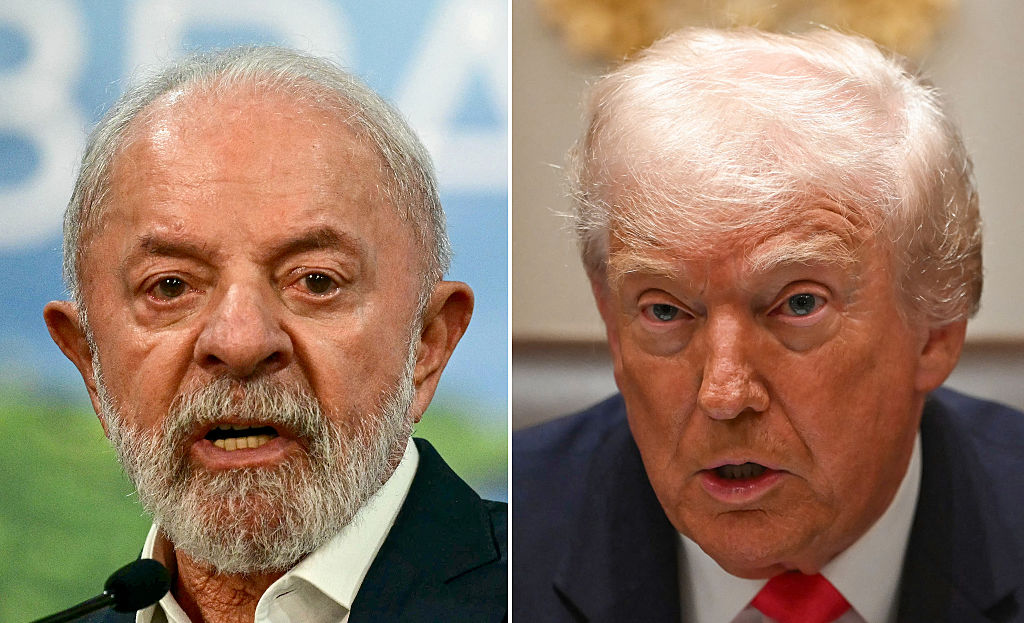
 Baltimore, MD, October 2, 2026 — Tensions are escalating between the United States and Brazil, with Democratic lawmakers and Brazilian President Luiz Inácio Lula da Silva voicing accusations that the Trump Administration is interfering in Brazil’s upcoming presidential election. Critics allege a pattern of diplomatic, economic, and political pressure orchestrated by Washington to influence the electoral outcome.
The accusations point to several specific actions taken by the Trump Administration. These include the imposition of tariffs, the implementation of visa restrictions targeting Brazilian judicial officials, and the appointment of advisors known for their critical stances on Brazil’s justice system. Opponents argue that these measures collectively constitute an undue interference in the sovereign affairs of Brazil.
Democratic lawmakers have publicly raised concerns regarding these alleged actions, characterizing them as a threat to democratic processes in South America. Similarly, Brazilian President Lula has expressed his apprehension, suggesting that the U.S. actions are aimed at destabilizing the political landscape in preparation for the election.
The Trump Administration has firmly denied these allegations. A spokesperson for the administration stated that any electoral successes attributed to conservative policies in the region are a result of their own merits and appeal to voters, rather than any form of interference. The administration maintains that its policies are designed to promote stability and economic growth, not to manipulate foreign elections.
The specific details of the tariffs and visa restrictions, including their scope and exact timing, were not elaborated upon in the initial reports. Furthermore, the names of the advisors appointed who are critical of Brazil’s justice system were not publicly disclosed. The exact nature of the diplomatic exchanges between the two governments regarding these accusations remains ongoing.
This situation highlights a delicate balance in international relations, where actions perceived as policy enforcement by one nation can be viewed as interference by another. The upcoming presidential election in Brazil is therefore taking place under a cloud of international scrutiny, with the relationship between the U.S. and Brazil facing significant strain.
Story summarized from the original created by Tiago Ventura on time.com, see more information here.
Media gallery


